
יום חמישי, 19 בפברואר 2009

יום חמישי, 1 בינואר 2009
יום שלישי, 1 בינואר 2008
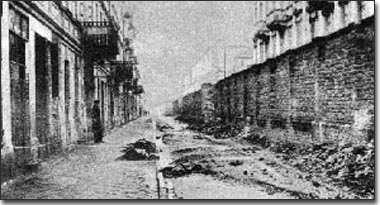
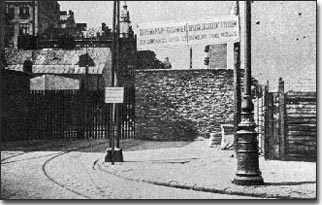
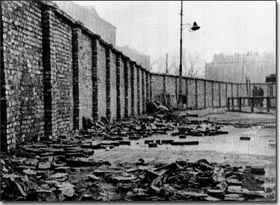
The story begins with the birth of a first daughter to her parents – Hella & Shimon Hopenstand (Sholzinger) on May 31st 1942 into the Warsaw ghetto war.
The Dolski family, says Hanna, were Jew lovers, they believed that if Christianity was stemmed from Judaism, they must do as much as they can to save the Jews.
The Dolski family hid Stasheck at their house, as if he took care their daughters (the daughters are still living in Poznan, Poland and are still in contact with Hanna).
The Dolski couple suggested getting Hanna out of the ghetto and finding a family to raise her, a suggestion which Hanna's parents (after what must be a very difficult time) accepted. Hanna's father, Shimon, asked Stasheck to send letters to his relatives (Hanna's aunts and uncles) after the war (if he and his wife, Hella, won't survive), telling them that Shimon and Hella's daughter had survived.
When Hanna was only few months old, Stasheck smuggled her out of the ghetto rolled inside a carpet. Stasheck handed her in to the Dolski family, who took care of her despite the fact it had put them in great danger.
The Dolski family had Hanna baptized, Stasheck tells he cursed through the entire ceremony. The Dolski then found a couple to raise Hanna – the Marchiniack couple.Only in 1946, after the war had ended, Hanna's aunt came to take her from the Marchiniack couple and move with her to Israel. The Marchiniack couple didn't want to give her up (even tough they got money and jewelries from Hanna's aunt), so Hanna's aunt "abducted" her and they immigrated to Israel together.
When Hanna came to Israel at the age of 4, as she was told, she had a cross necklace and she prayed to Christianity. Her aunt and uncle switched that necklace with a Star of David one of the same length, a necklace she still has.
Hanna (about her aunt and uncle):" I never 'investigated' them, I didn't ask them about their past and I'm so sorry. I wanted so much to be like everybody else, so I didn't even open that whole thing".
Events related to the Holocaust such as the trial of Adolf Eichmann affect Hanna very much. On the date that notes the Holocaust day she always gets excited.
She always knew, deep inside, what she was. And she symbolized, and it hurt her. But on the outside she was more Israeli than those who were born in Israel. Hanna: "I always knew where I came from, who my parents were, and who I am […] I never talked about it, I lived as a native Israeli in every respect […] I think only when I turned 50 I did really open up about what I am".


Hella and Shimon Hopenstand- Hanna's parents:


Hanna's aunt come to take Hanna
:Hanna is sitting on Ania, Stasheck's wife


Hanna Gil revisiting Poland
Hanna and her husband visited Poland at 1996. They took all the information they knew. They did a detective work. Hanna and her husband conducted a research with the the daughters of dolski family, and the daughters asked their uncle.
They were in Piastow, but they didn't know the exact address. Hanna and her husband looked around for the house of Marchiniack family and at some point Hanna's husband saw a group of old strangers, who sat on bench. He said "Those are the people we should be asking" and approached to the bench. One of them understood what Hanna and her husband had been searching and gave them the exact address.
Hanna and her husband arrived the Marchiniack's house and at the moment Hana saw the house everything had verified: a little house with red roof, and it was the only house that had a front yard (and there was the swing). No one were in that house but family was living at the house next to Marchiniack's house, so Hanna and her husband approached to the family and at first the family was filled with doubts. One of the daughters, apparently a high school student, understood us but the women (the house owner) was terrified. No men were in the house so Hanna and her husband had decided to come at the next day. This time they came with polish women from Warsaw, that they lived in her house, and the family behavior was different, this time they could understand what Hanna and her husband wanted. While Hanna and her husband were in that house, the house owner's husband was at work, he had been working at rubber factory. Hanna had reminisced that also Leon Marchiniack, the one who raised her, worked at the rubber factory, which existent also today. When the house owner's husband came back from work, Hanna introduced herself and the man bursted into tears. He told Hanna that they knew each other, they were swinging together, they were friends, they are almost at the same age. Hanna was very excited and the man was crying. He said " You are the girl I swing with always on the swing"- the famous swing.
חנה חוזרת לפולין
יום שני, 31 בדצמבר 2007
יום שני, 24 במאי 2004
מכתבים


15.8.1945
לכב'
ז. הופנשטנד,
רח' החשמל 12 ת"א
אדוני הנכבד,
בהיותי ביחסים קרובים וידידותיים עם משפחת הופנשטנד בוורשה ברח' נלבקי 12 בזמן הכיבוש הגרמני, אני מכיר את גורל המשפחה הזו שאליהם אני מרגיש חובה להודיע לקרובים שלהם בחו"ל, זאת אומרת:
ר. הופנשטנד - אמא בתל אביב.
ז. הופנשטנד - אח בתל אביב.
ד. הופ - אח בטורונטו קנדה.
הרי קופר - גיס בקליבלנד אוהיו ארה"ב.
שאני שולח את אותם המכתבים.
משה הופנשטד, אשתו, בת ובן הוציאו אותם בסוף אוגוסט 1942 למחנה טרבלינקה היכן שכל העקבות שם נעלמות.
שמעון הופנשטנד - היותר צעיר שרד בגטו עם המשפחה עד 30.4.1943 שביום הזה נשאר עם אשתו וחמותו ולפי ידיעות שקיבלתי - נרצח ע"י הגרמנים ברח' לשנו 56 בוורשה.
הבת שלו שנולדה ב31.5.42 חיה ומקבלת טיפול טוב. היא נמצאת אצל משפחה בלי ילדים ואוהבים אותה כמו בת שלהם. אלה אנשים מעוטי יכולת ולא יכולים לתת לילדה תנאים מיוחדים.
היות וגם אני נשארתי בוורשה לגמרי הרוס, איני יכול ברגע זה לתת עזרה כספית לילדה. אי לכך אני מבקש להתקשר בעיניין זה באופו ישיר או עקיף איתי.
אני מחכה לתשובה,
בכבוד רב,
אנטוני דולסקי.
תשובה לנל' אני מבקש להעביר לגיטל פוקס (אחות של שמעון) רח' השוק ֳ1 ת"א.
15.8.1945
Mr. Z. Hopenstand
Ahashmal st. 12, Tel Aviv.
Sir,
Being in very close and friendly relations with the Hopenstand family at Nalveky st. 12, Warsaw at the time of the German conquest, I know the destiny of this family, for which I feel obligated to notify their relatives outside of Poland. I mean:
R. Hopenstand - Mother in Tel Aviv.
Z. Hopenstand - Brother in Tel Aviv.
D. Hopp - Brother in Toronto, Canada.
Harry Cooper - Brother in law in Cleveland, Ohio, US.
Moses Hopenstand, his wife, son and daughter were sent by the end of August 1942 to the Treblinka extermination camp, where their tracks were lost.
Shimon Hopenstand - the younger, survived in the ghetto with his his family until 30.4.1943, the day when, as far as I know, he, his wife and his sister in law were murdered in Lansho st. 56, Warsaw by the Nazis. His daughter, who was born at May 31th 1943, is alive and well taken care of. She is now with a childless family who love her as if she was their daughter. Those people are indigents, they don't have the ability to provide the kid with any special conditions. Since I'm, as well, stayed in Warsaw and financially devastated - I can't deliver the kid any financial aid. Therefore, I'm asking you to get in contact with me.
I'm waiting for your replay.
respectfully,
Antony Dolsky
Replay to the listed above i'm asking you to pass to Gitel Fox (Shimon's sister) Hashook st. 1, Tel Aviv.


23.8.1945
אדוני הנכבד,
אני קרוב רחוק של אחיך שמעון (אשתו הייתה בת דודה של אשתי) ואני מכיר היטב את הטרגדיה כולה, היות ואשתי ואביה נספו יחד עם שמעון, אשתו וחמותו. ואני מכיר גם את הגורל של חנצ'קה מרגע היוולדה עד עצם היום הזה ובמשך כל שלוש השנים של הכיבוש.
הילדה נמצאת כל הזמן אצל אנשים הגונים שמאד אוהבים אותה ובוודאי יעשו קשיים עם לקיחתה.
חייבים לדעת שהילדה עברה טבילה כבתם של המאמצים בגיל 8 חודשים שהיה הכרחי כדי להציל אותה ובימינו כילדה שמלאו לה 3 שנים במאי היא כמובן לא יודעת על הגורל האכזר של הוריה. לאנשים שהיא תחת חסותם היא מתנהגת כמו הורים דבר שגורם להם נחת.
שמעוו מסר לי, כמו למר דולסקי, שאם לאחר המלחמה, הוא ואשתו לא ישרדו לפנות לכל קרוביו ולמסור להם שבתו חייה ויש לטפל בה כיוון שהוא לא יכול לעשות זאת.
לדאבוננו הדבר קרה ועכשיו צריך להחליט איך להתנהג בנושא הגורל של היתומה הקטנה.
לזכר הבטחתנו אנחנו פונים אליכם ברגע זה שתביעו את דעתכם לגבי 3 האפשרויות:
1) להשאיר את הילדה אצל האנשים הנוכחים, דבר שהיה מאוד משמח אותם.
2) למסור את הילדה לבית יתומים פה בארץ (פולין).
3) לקחת את הילדה לפלשתינה או לקרובים שלכם באמריקה.
בלי להכנס לפרטים של העניינים האלה, שעליהם נדון בהתכתבות הבאה, מחכים לתשובתכם.
בן ציון (סטשק).
23.8.1945
Dear Sir,
I am related to your brother Shimon (his wife was my wife's cousin) and I know well the whole tragedy, since my wife and her father were killed with Shimon, his wife and his mother-in-law. I know also Hanna'chke's destiny since the day she was born till this day, and for the three years of the conquest.
The girl located with decent people that love her and probably they won't give up and hand down the girl easily.
You must know that the girl was baptized as the daughter of the Christian fosters at the age of 8 months, it was necessary for saving the girl.
As a girl that just turned three years old she didn't know the destiny of her parents. Hanna see the fosters as her parents, and it cause them satisfaction. Shimon told me and Mr. Dolski that if he and his wife won't survive, we should let all his relatives know that Hanna is alive and someone need to take care of her, because Shimon can not do that. Unfortunately, the worst has happened and now we need to decide what to do with the girl.
In memory of our promise, we are now want you to say your opinion about the three options:
1) Let the fosters keep the girl, it will make them really happy.
2) Transfer the girl to orphanage here in Poland.
3) Take the girl to Palestine or give her to your relative in america.
I won't get into the details of these options, we will discuss the details in our next correspondence.
Ben Zion (Stasheck).


16.1.1946
לכב' הקהילה היהודית בוורשה,
לפני שבוע קבלתי מכתב מאדון אנטוני דולסקי - סוחר מפוזנן שגר ברחוב אוז'ז'קובה מס' 2 שבו הוא מודיע לי שאחי המבוגר משה הופנשטנד מרח' נלבקי 12 בוורשה נשלח בסוף אוגוסט 1942 לטרבלינקה יחד עם אשתו, בתו ובנו שכל עקבותיהם נעלמו.
אחי הצעיר שמעון הופנשטנד נרצח ע"י הגרמנים ב30.4.1943 בוורשה ברח' לשנו 56 יחד עם אשתו וחמותו.
בתו של שמעון - חנצ'קה - נולדה ב31.5.42 חיה ונמצאת אצל משפחה חשוכת ילדים שמטפלת בילדה כמו הורים.
אני מוכרח לציין כי הילדה עברה טבילה כילדה של המטפלים.
אני כתבתי לאדון דולסקי שנתן לי את הכתובת המדוייקת של הילדה (כנראה שהילדה נמצאת בוורשה).
במכתב שקיבלתי מאדון דולסקי, הוא הוסיף למכתב מישהו בשם אדון בן ציון (סטשק) שהוא קרוב רחוק של הילדה, שגם הוא מטפל בילדה אבל את הכתובת שלו בוורשה הוא לא מסר במכתב.
לפיכך אני מאוד מבקש להתעניין אצל אדון דולסקי בקשר לכתובת המדוייקת של הילדה ושל אדון בן ציון ואני מבקש להעביר את הילדה ליידים יהודיות עד אשר נוכל להביא אותה לפלשטינה. אחותי, הגב' גיטל פוקס שנמצאת פה בתל אביב ברח' השוק 1 מטפלת בכל העיניינים הפורמלים הקשורים בהעברת הילדה לפלשטינה.
אני מודה לכם עבור הטרחה מראש ומבקש שתודיעו לי בהקדם האפשרי,
בכבוד רב,
זליג הופנשטנד (אחיו של שמעון אביה של חנה אשר גר בישראל)
16.1.1946
To the Jewish community in Warsaw,
A week ago I got a letter from Antony Dolski, a trader from Poznan who live in Ozzkova st. 2. He wrote in the letter that my brother, Moses hopenstand from nelnki st. 12 at Warsaw, was send at the end of August 1942 to Treblinka with his wife, his daughter and his son, whice all their traces were lost. My young brother, Shimon hopenstand was murdered by the Germans in 30.4.1943 at Warsaw, leshno st. 56 with his wife and mother- in- law.
Shimon's daughter- Hanna'chke- was born at 31.5.1942 in Warsaw and now raised by fosters who take care of her like parents.
I must say that the girl was baptized as the daughter of the Christian fosters.
I had wrote to Mr. Dolski, that gavr me the exact address of the girl (she probably live in Warsaw).
In the letter i got from Mr. Dolsky, He mentioned someone named Ben Zion (Stasheck) whose somehow related to the child. He's too taking care of the kid' but his exact address Dolski didn't mention in his letter.
Therefore, I'm asking to seriously take an interest with Mr. Dolski concerning the exact address of the kid and Mr. Ben Zion and I'm asking to pass the child to jewish hands until we could get her to Palestine. My sister, Mrs. Gitel Fox, who can be found here at Hashoock st.1 Tel Aviv, is taking care of all the formal matter connected to getting the girl here.
I want to thank you for all the troubles you're going through in advance' and ask that you'll notify me as soon as possible.
respectfully,
Zelig Hopenstand (Shimon's brother)